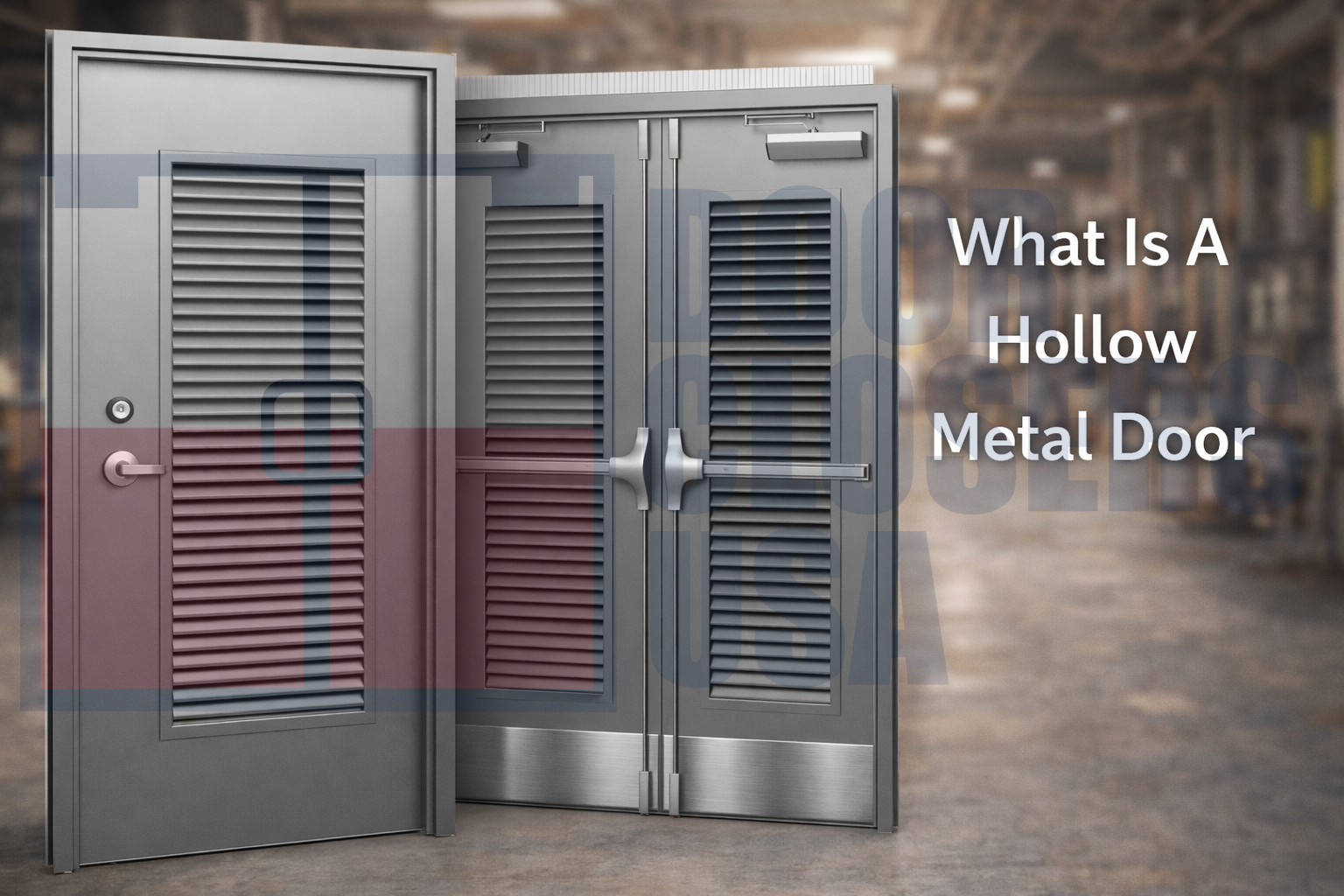
One of the most common questions we receive is, “What exactly is a hollow metal door?”The confusion usually comes from the word hollow.
In simple terms, a hollow metal door is a commercial steel doorused for interior and exterior applications. Despite the name, hollow metal doors arenot empty inside. They are constructed with a steel shell that isfilled with an insulated core.
The term “hollow” refers to the fact that the door is not solid steel throughout. Instead, it is engineered for strength, durability, insulation, and compatibility with commercial-grade hardware.
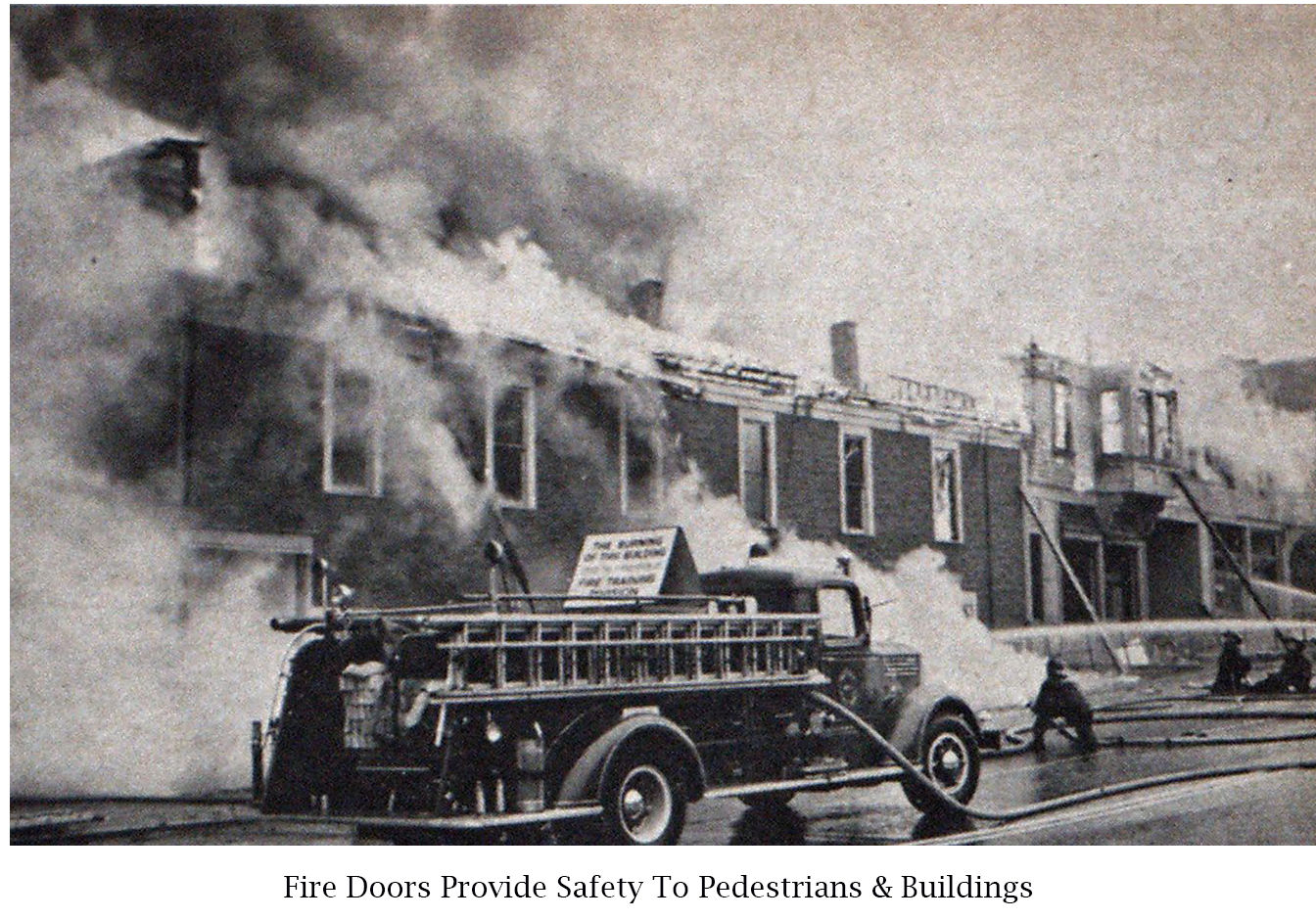
Early versions of steel fire doors date back to the early 1900s. In 1904, Charles Dahlstrom introduced one of the first patented fire-rated steel doors in response to devastating fires in growing cities.
Prior to this, most buildings relied on wooden doors, which offered little to no fire protection. Historic events, such as the Great Fire of London, highlighted the need for doors that could slow the spread of fire and improve building safety.
As industrialization accelerated, hollow metal doors quickly proved useful beyond fire protection. Factories, warehouses, and commercial buildings required doors that could withstand abuse, resist forced entry, and perform reliably in harsh environments.
Hollow metal doors became the preferred solution for:
Today, hollow metal doors are governed by strict building codes and safety standards. Organizations such as the National Fire Protection Association (NFPA)and the International Building Code (IBC) establish requirements for fire-rated door assemblies used in commercial buildings.
These codes help ensure doors perform properly in fire-rated corridors, stairwells, mechanical rooms, and other critical openings.
The Steel Door Institute (SDI), founded in 1954, develops industry standards for hollow metal doors and frames. Many manufacturers design their products to meet or exceed SDI recommendations to ensure consistent quality and performance.
Hollow metal doors are typically manufactured using cold rolled steel. Common construction details include:
These reinforcements are critical. Without them, door hardware such as hinges, lever locks, and closers would not have adequate support.
Hollow metal doors are used in nearly every commercial building because they offer a strong balance of performance and cost.
Hollow metal doors are commonly found in:
In residential settings, hollow metal doors are sometimes used for garage-to-exterior doors or other security-sensitive openings.
The price of a commercial hollow metal door varies based on construction, reinforcements, fire rating, and overall quality.
Industry-standard commercial hollow metal doors commonly range from$1,200 to $4,000 depending on specifications.
Extremely low-priced steel doors often lack:
While lower upfront cost may seem attractive, doors that cut corners often result in higher repair and replacement costs over time.
Hollow metal doors play a critical role in commercial building safety, security, and long-term durability. Understanding how they are constructed helps ensure the right door is selected for the application.
To explore high-quality commercial steel doors or configure a custom opening, visit ourCommercial Hollow Metal Doorsor use ourBuild Your Door Quote Tool.


Whether you need a quotation or just have a question about a product. Reach out to us today by calling 866-232-5673 or text us questions and photos at 210-275-8966, and one of friendly specialists will be happy to help!